
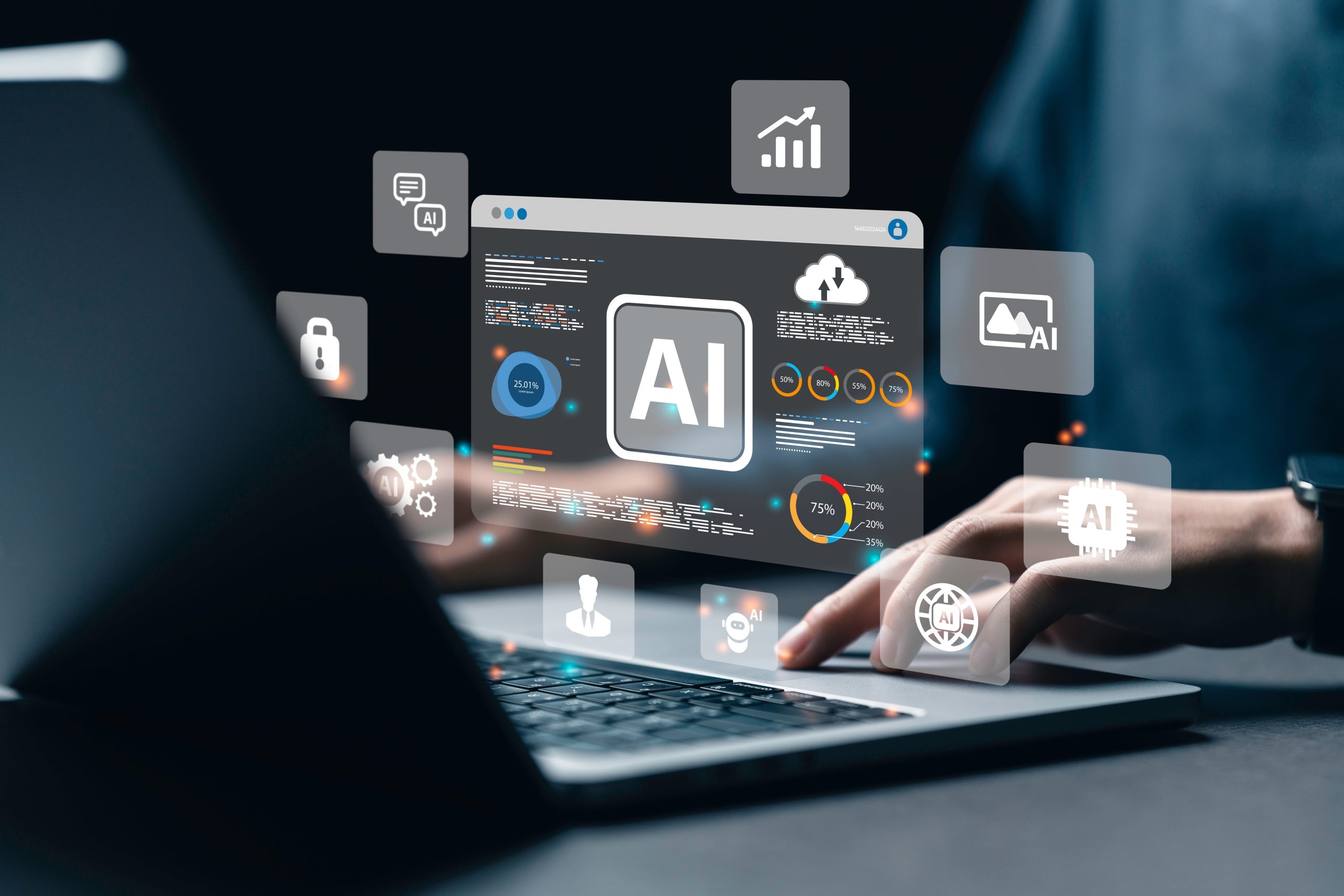
Artificial Intelligence (AI) has emerged as a transformative force across various industries, fundamentally altering the landscape of automation. As businesses strive for efficiency and innovation, AI-driven automation offers unprecedented opportunities to streamline operations, enhance productivity, and drive growth. The integration of AI into automation processes is not merely an enhancement but a revolution that redefines how tasks are executed.
At the core of AI’s impact on automation is its ability to process vast amounts of data with speed and accuracy that surpasses human capabilities. This data-driven approach enables machines to learn from patterns and make informed decisions without explicit programming. Machine learning algorithms, a subset of AI, allow systems to improve their performance over time by analyzing historical data and identifying trends. This capability is particularly valuable in sectors like manufacturing, where predictive maintenance powered by AI can foresee equipment failures before they occur, minimizing downtime and reducing costs.
In addition to predictive maintenance, AI-powered automation enhances quality control processes. Vision systems equipped with machine learning algorithms can detect defects in products at scales beyond human capacity. By ensuring high-quality standards consistently, companies can reduce waste and optimize production lines while maintaining customer satisfaction.
The financial sector also benefits significantly from AI in automation. Automated trading systems leverage machine learning models to analyze market trends in real-time and execute trades at optimal times based on complex algorithms. This not only maximizes returns but also minimizes risks associated with human error or emotional decision-making.
Moreover, customer service has been transformed through the use of chatbots powered by natural language processing (NLP). These intelligent bots handle routine inquiries efficiently while freeing up human agents for more complex interactions that require empathy and problem-solving skills beyond current technological capabilities.
However, the rise of AI-driven automation does raise concerns about job displacement as machines become capable of performing tasks traditionally done by humans. While it is true that some jobs may be rendered obsolete due to increased efficiencies brought about by automation technologies; new roles requiring advanced technical skills will emerge alongside them—roles focused on managing automated systems or interpreting insights generated through Artificial Intelligence analysis rather than executing repetitive manual labor tasks themselves.
To harness full potential offered within this paradigm shift requires careful consideration regarding ethical implications surrounding privacy issues related specifically towards user-data handling practices adopted throughout implementation phases involved during development cycles undertaken when creating these innovative solutions designed ultimately aimed at improving overall business outcomes achieved via successful deployment strategies utilized effectively across different organizational contexts globally today!
In conclusion: Exploring power behind Artificial Intelligence within realm Automation reveals transformative possibilities capable reshaping industries worldwide forevermore! Embracing change necessary ensure sustainable future wherein humans collaborate harmoniously alongside intelligent machines achieving greater heights productivity than ever imagined possible previously thought unattainable prior advent cutting-edge advancements witnessed firsthand now unfolding before very eyes indeed!
