
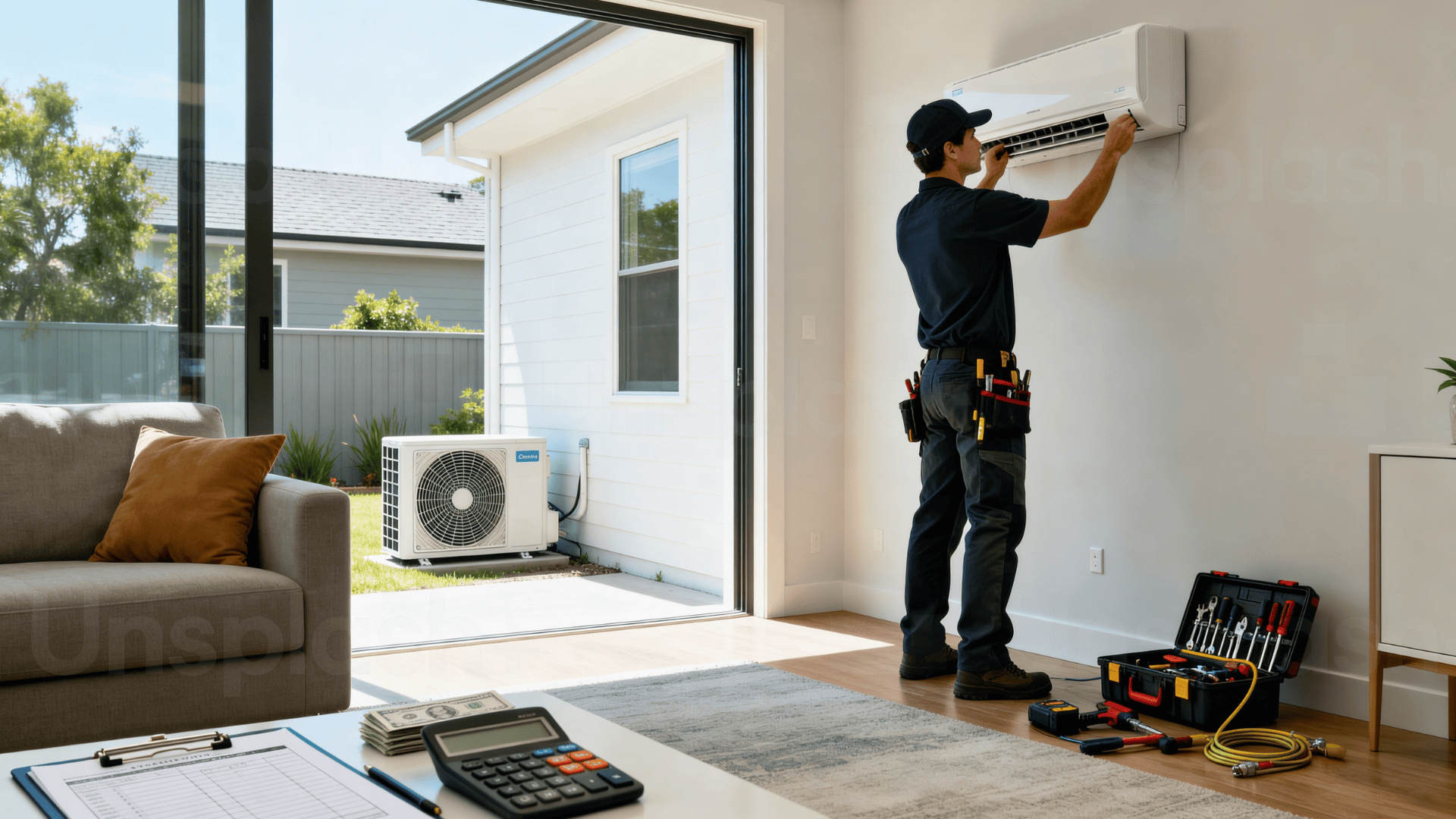
Choosing the right mini split system for your home involves several important considerations to ensure efficient cooling and heating while maintaining comfort. Mini splits are popular because they offer flexibility, energy efficiency, and quiet operation, but selecting the appropriate model requires understanding your space’s specific needs. The first step is to assess the size of the area you want to condition. Mini splits come in various capacities measured in BTUs (British Thermal Units), which indicate their cooling or heating power. A unit that is too small will struggle to maintain a comfortable temperature, while one that is too large may cycle on and off frequently, wasting energy and reducing lifespan. Accurate sizing often depends on factors such as room dimensions, ceiling height, insulation quality, window placement, and local climate conditions.
Next, consider whether you need a single-zone or multi-zone system. Single-zone mini splits serve one room or area with one indoor air handler connected to an outdoor compressor. Multi-zone systems can connect multiple indoor units to a single outdoor unit, allowing independent temperature control in different rooms or zones within your home. This option can be more cost-effective for larger homes or spaces with varying heating and cooling requirements.
Energy efficiency should also play a significant role in your decision-making process. Look for models with high SEER (Seasonal Energy Efficiency Ratio) ratings for cooling performance and HSPF (Heating Seasonal Performance Factor) ratings if heating is important in your region. Higher ratings mean better efficiency and lower operating costs over time. Additionally, some mini splits use inverter technology that adjusts compressor speed dynamically rather than running at full capacity constantly; this feature enhances comfort by minimizing temperature fluctuations while saving energy.
Installation requirements are another key factor when choosing a Mini Split system. Because these units consist of separate indoor and outdoor components connected by refrigerant lines, professional installation is recommended to ensure proper setup and optimal performance. Consider placement options carefully: indoor units should be positioned where airflow won’t be obstructed but still provide even distribution throughout the room.
Finally, evaluate additional features such as air filtration capabilities, noise levels during operation, remote controls or smart connectivity options for convenience purposes. Some models include advanced filters that improve indoor air quality by capturing dust particles or allergens-a valuable benefit for households with sensitivities.
